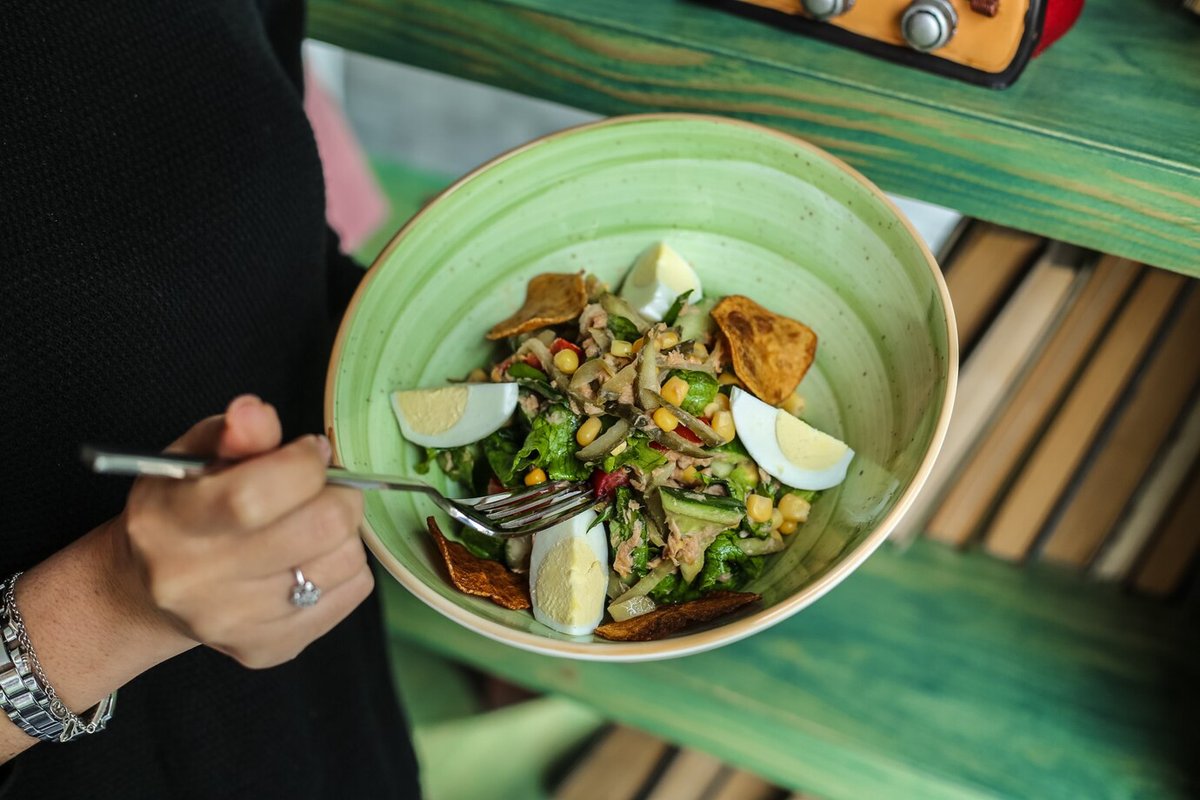
Ever stared at a restaurant menu, feeling a peculiar blend of excitement and existential dread? The endless options, the fear of ordering "wrong," the nagging question of whether you're truly getting what you want. It's a common dilemma, but it doesn't have to be your dining reality. Mastering the art of Curating Your Restaurant Preferences for Better Choices isn't about becoming a food snob; it’s about becoming a more intentional, satisfied diner. It's about transforming every meal out from a gamble into a delightful experience tailored precisely to you.
This guide will equip you with the insights and tools to understand your unique culinary DNA, navigate menus with confidence, and consistently make choices that lead to truly memorable meals. Think of it as developing your personal dining algorithm – one that almost always gets it right.
At a Glance: Crafting Your Ideal Dining Experience
- Self-Reflect: Pinpoint your core tastes, desired dining moods, dietary needs, and budget.
- Learn from the Past: Analyze what you've enjoyed (and disliked) in previous dining experiences to spot patterns.
- Strategic Menu Navigation: Understand how menus are designed and how to effectively filter options.
- Embrace Customization: Don't hesitate to ask for modifications that align with your preferences.
- Stay Curious: Allow your palate to evolve; embrace new flavors and experiences while staying true to your core.
- Leverage Tools: Use apps and online resources to discover places that match your curated profile.
Why Bother Curating? The Payoff of Intentional Dining
In a world overflowing with dining options, simply picking a place or dish on a whim often leads to mediocre meals and buyer's remorse. We've all been there: a bland pasta, an overcrowded bistro when you craved intimacy, or a bill that made your eyes water for an underwhelming plate.
Curating your restaurant preferences isn't about being picky; it's about being precise. When you actively understand and articulate what you genuinely want, you shift from passive consumer to active participant in your dining journey. This precision leads to:
- Increased Satisfaction: Fewer disappointing meals, more moments of culinary joy.
- Better Value: Spending your dining budget on experiences that truly resonate.
- Reduced Decision Fatigue: Streamlining the choice process, making eating out more enjoyable, not stressful.
- Expanded Horizons: The confidence to try new things that align with your true evolving tastes, rather than just random picks.
- Healthier Choices: Easily aligning your dining with personal wellness goals and dietary requirements.
Essentially, you're building an internal compass that points towards your ideal dining experience every time you step out.
Phase 1: Self-Discovery – Unearthing Your Culinary DNA
Before you can make better choices externally, you need to understand your internal landscape. This isn't just about "Do I like sushi?" It's a deeper dive into what truly makes a meal sing for you.
Beyond "Like" and "Dislike": Defining Your Palate Profile
Your palate is as unique as your fingerprint. To truly curate, you need to move past simple 'likes' and 'dislikes' and explore the nuances.
- Flavor Profiles: Are you drawn to bold, spicy, and aromatic (e.g., Thai, Mexican)? Or do you prefer subtle, delicate, and fresh (e.g., Japanese, Mediterranean)? Perhaps rich, savory, and comforting (e.g., Italian, American comfort food)? Consider your go-to spices, herbs, and sauces.
- Texture Preferences: This is often overlooked but profoundly impacts enjoyment. Do you love crispy, crunchy elements, or do you prefer soft, melt-in-your-mouth textures? Are you sensitive to sliminess, chewiness, or grittiness?
- Cooking Methods: Do you gravitate towards grilled, roasted, fried, steamed, or slow-cooked dishes? Each method imparts a distinct character to the food.
- Ingredient Affinity: What ingredients consistently make you happy? Is it fresh seafood, specific vegetables, particular cuts of meat, or certain cheeses? Conversely, what ingredients do you almost always avoid?
Micro-example: If you consistently find yourself adding hot sauce or chili flakes, you likely prefer a bolder, spicier profile. If you always scrape off cilantro, that's a key preference to note.
Dining Moods & Occasions: What Experience Are You Really Craving?
The "best" restaurant isn't static; it changes with your mood and the occasion. A Michelin-starred tasting menu is fantastic, but not if you're craving a quick, casual burger with friends.
Consider these dimensions:
- Atmosphere: Do you seek bustling energy, intimate quiet, chic modernity, rustic charm, or a family-friendly vibe?
- Pacing: Are you in the mood for a leisurely, multi-course experience, or a quick and efficient meal?
- Company: Is it a romantic date, a business lunch, a solo indulgence, a boisterous group celebration, or a casual catch-up?
- Formality: White tablecloths and silent service, or laid-back, jeans-and-t-shirt comfort?
- Noise Level: Do you thrive in vibrant, loud spaces, or do you need to hear your conversation partners clearly?
Quick Clarification: Sometimes you want to try a new cuisine, but for a specific mood, you might stick to a comfort food. Recognize the difference between adventure dining and satisfaction dining.
Dietary Needs & Values: Non-Negotiables and Ethical Choices
These are foundational preferences that dictate not just what you eat, but where you can eat comfortably and confidently.
- Allergies & Intolerances: Non-negotiable. Gluten-free, dairy-free, nut-free, etc. Your safety comes first, and identifying restaurants that cater to these needs is paramount.
- Lifestyle Choices: Vegan, vegetarian, pescatarian, paleo, keto, etc.
- Ethical & Sustainability Values: Do you prioritize organic, locally sourced, free-range, grass-fed, or sustainable seafood? Are you concerned about food waste or fair trade?
- Health Goals: Are you tracking macros, aiming for low-sodium, high-protein, or other specific health-driven dietary patterns?
Make a clear list of these elements. It's not about restriction, but about informed selection. Many restaurants are now adapting their menus to meet a diverse range of preferences, similar to how leading restaurant brands constantly leverage data to align their menus with guest preferences. Knowing your own helps you find those forward-thinking establishments.
The Budget Blueprint: How Much Are You Truly Willing to Spend?
Money matters. Be honest with yourself about your dining budget for different occasions.
- Average Spend per Meal: What's your comfortable range for a casual lunch, a weeknight dinner, or a special occasion?
- Value Perception: Do you prioritize generous portions, high-quality ingredients, exceptional service, or unique ambiance when considering "value for money"?
- Hidden Costs: Factor in drinks, appetizers, desserts, tax, and tip. A seemingly affordable entree can quickly inflate the bill.
Having a clear budget in mind helps you filter restaurants from the outset, avoiding the awkward moment of sticker shock or feeling like you overspent for what you received.
Phase 2: Data Collection – Learning from Your Own Dining History
You've already accumulated a wealth of dining data – your past experiences! It's time to become your own personal sales data analyst.
Your Personal "Sales Data": Reviewing Past Experiences
Think back to your last 10-20 meals out. Don't just recall the food; dissect the entire experience.
- The "Hits": What made these meals outstanding? Was it a specific dish, the service, the atmosphere, the company, or a combination? Note down details: flavors, textures, presentation, the feeling you had.
- The "Misses": What went wrong? Was the food bland, overcooked, too expensive for the quality, or the service lacking? Did the restaurant's vibe clash with what you wanted? Identifying recurring frustrations helps you flag what to avoid.
- "Meh" Experiences: These are crucial. They weren't bad, but they weren't great either. Why? Often, it's a mismatch of expectations or a failure to truly satisfy a deeper preference you hadn't articulated yet.
Practical Tip: Keep a simple note on your phone. After each meal out, jot down 1-3 things you loved and 1-3 things you'd change or avoid next time. Over time, powerful patterns will emerge.
The Power of the Photo Reel: Visual Cues of Your Preferences
Scroll through your phone's photo gallery. You'll likely have dozens, if not hundreds, of food pictures.
- What dishes did you choose to photograph? These are often the ones that excited you, looked appealing, or were particularly well-executed.
- What visual elements stand out? Bright colors, intricate plating, hearty portions, rustic presentation? This gives clues about your aesthetic preferences.
- Any recurring themes? Do you consistently photograph desserts, cocktails, or specific types of cuisine?
Your photo history is an unfiltered record of what visually appealed to you in the moment.
Feedback Loops: What Did You Tell Your Friends (or Yourself)?
When you recount a dining experience, what do you emphasize? Your verbal (or internal) feedback reveals your true priorities.
- Did you rave about the innovative flavor combinations, the friendly waiter, the cozy lighting, or the surprisingly low bill?
- Did you complain about the long wait, the noisy table next to you, or the limited vegetarian options?
Pay attention to these anecdotal "reviews." They are direct indicators of what you value and what you find disappointing. If you often tell friends, "The food was good, but it was just so loud," then noise level should become a preference filter for you.
Phase 3: Strategic Selection – Applying Your Curated Preferences
Now that you've done the internal work, it's time to put your refined preferences into action when making real-world choices.
Decoding Menus Like a Pro: Beyond the Price Tag
Restaurants meticulously design their menus, much like businesses strategically craft their offerings to influence customer behavior. Understanding common menu psychology tactics helps you see through the marketing and focus on what you want.
- Descriptive Language: Flowery descriptions ("succulent," "heirloom," "artisan") aim to create an emotional connection and justify higher prices. Read past the adjectives and focus on the actual ingredients and preparation methods.
- Anchoring: High-priced items are often placed prominently to make other dishes seem more reasonable by comparison. Don't be swayed; focus on your budget and desired value.
- Placement: Restaurants often put their most profitable items in prime spots (top right, center of a page). Scan the entire menu, not just the highlights.
- Limited Options: Be wary of overwhelming menus. A shorter, curated menu often signals a kitchen that focuses on quality and expertise in a few select dishes. Conversely, if you have very specific needs, a broader menu might offer more flexibility.
- Allergen & Dietary Labels: Look for clear symbols or sections dedicated to gluten-free, vegan, or nut-free options. This immediately tells you if a restaurant is accommodating.
Mini Case Snippet: You're at a steakhouse. The "Signature Dry-Aged Ribeye" is described with poetic prose and placed first. Further down, a simply stated "Grilled Sirloin" exists. If your palate profile values richness and depth, the ribeye might be your preference. If you prefer a leaner cut and value a more straightforward preparation, don't let the marketing of the ribeye overshadow the sirloin.
Leveraging Customization: Don't Be Afraid to Ask
Customization is your secret weapon. Many establishments are happy to accommodate reasonable requests, as it often leads to increased customer satisfaction.
- Substitutions: "Can I swap the fries for a side salad?" or "Instead of rice, could I have extra vegetables?"
- Omissions: "No onions, please," or "Hold the cheese."
- Preparation: "Could the dressing be on the side?" or "Is it possible to have that grilled instead of fried?"
- Portion Sizes: Sometimes smaller plates or appetizers can be combined to create a perfect meal.
The key is to ask politely and clearly. Be specific about your needs, especially regarding allergies. Most good restaurants will appreciate you communicating your preferences upfront. If they can't accommodate, they'll usually tell you why, which can inform your future choices there.
Navigating the Digital Landscape: Reviews, Apps, and AI
The internet is your most powerful research tool when it comes to dining.
- Review Sites (Yelp, Google, TripAdvisor): Don't just look at the star rating. Read the actual reviews. Search for keywords related to your preferences (e.g., "gluten-free," "quiet," "spicy," "good for dates"). Pay attention to recent reviews, as restaurants can change.
- Restaurant Websites & Social Media: These are invaluable. Look at the full menu, high-quality photos, and the "About Us" section. Does their philosophy align with your values (e.g., farm-to-table, sustainable practices)? Social media often gives a real-time feel for the atmosphere and current specials.
- Delivery Apps: While great for convenience, they also offer a wealth of menu information and customer photos.
- AI and Recommendation Tools: Some platforms offer personalized recommendations based on your past choices or declared preferences. Even a simple random restaurant generator can be a starting point if you're feeling adventurous but need a nudge. Input a few of your curated preferences, and you might get surprisingly good suggestions.
Pitfall to Avoid: Don't get lost in analysis paralysis. Use these tools as filters, not as absolute directives. Trust your curated preferences to guide your search.
Seeking Out the "Hidden Gems": Local, Seasonal, and Unique
Part of curating a rich dining experience is appreciating the nuances of what makes a meal special.
- Local Ingredients: Restaurants prioritizing local sourcing often highlight this. It means fresher, higher-quality produce, and a menu that reflects the region's bounty. This aligns with a preference for freshness and sustainability.
- Seasonal Offerings: Menus that change with the seasons are often a sign of culinary creativity and a commitment to peak-flavor ingredients. If you prioritize freshness and variety, look for these.
- Unique Concepts: Some restaurants specialize in a single dish (e.g., a specific type of taco or ramen) or a very niche concept. If your preferences lean towards deep expertise and authenticity, these can be rewarding discoveries.
- Off-the-Beaten-Path: Sometimes the best meals are found away from the main tourist drags, in smaller, independent eateries where passion often trumps profit margins.
Phase 4: Dynamic Evolution – Your Preferences Are Alive
Your palate is not static. It evolves with age, exposure, travel, and new experiences. The most effective preference curation is an ongoing, flexible process.
Embracing Experimentation: The Joy of the Unknown
While curation brings consistency, it shouldn't lead to stagnation. Purposeful experimentation is crucial for growth.
- Step Outside Your Comfort Zone (Intentionally): Once you understand your core preferences, you can strategically deviate. If you love spicy Thai, try a less-familiar region of Thai cuisine, or a different Southeast Asian cuisine like Laotian.
- One "Wild Card" Per Meal: When dining with others, perhaps you order one dish you're certain you'll love, and one that's a little more adventurous.
- Trust Recommendations (from trusted sources): If a friend or a reputable food critic (whose palate you respect) raves about something outside your usual, consider giving it a try.
Analogy: It's like a well-curated wardrobe. You have your staple pieces, but you occasionally add a bold accessory or try a new style to keep things fresh and expressive.
Adapting to New Trends & Tastes
The culinary world is constantly innovating. Staying aware of broader trends can inform your personal evolution.
- Plant-Based Innovations: Even if you're not vegan, the rise of plant-based options has led to incredibly creative and delicious vegetable-centric dishes.
- Global Influences: Fusion cuisine, new ingredient imports, and chefs exploring diverse culinary traditions mean there's always something new to try.
- Sustainability Practices: As awareness grows, more restaurants are focusing on ethical sourcing, reducing food waste, and sustainable practices. If these align with your values, seek them out.
Keep an open mind and periodically re-evaluate your palate. That ingredient you hated as a child might now be a favorite.
Refining Your Personal Algorithm
Just like restaurants continually review sales and feedback to keep their menus relevant, you should regularly check in with your curated preferences.
- Every few months, revisit your list of flavor profiles, dining moods, and non-negotiables.
- Has your budget changed?
- Are there new dietary considerations?
- Have you discovered a new favorite cuisine or ingredient?
This ongoing reflection ensures your curated preferences remain a living, breathing guide that genuinely reflects who you are as a diner.
Common Questions & Misconceptions About Dining Choices
Even with the best intentions, dining out can throw curveballs. Here are answers to some common dilemmas.
"What if my group has different preferences?"
This is a common challenge.
- Compromise on Cuisine, Not Experience: You might agree on a broad cuisine (e.g., Italian) but aim for a place that offers diverse options within that framework, or one that caters to your preferred dining mood (e.g., lively, intimate).
- Go for Versatility: Restaurants with a varied menu (e.g., modern American, gastropubs, tapas) often have something for everyone.
- Communicate Preferences Upfront: Ask everyone to share their top 1-2 non-negotiables (allergies, strong dislikes) and 1-2 positive preferences. This allows for informed decision-making.
- Take Turns Choosing: If you dine together regularly, establish a rotation where different people pick the restaurant each time, ensuring everyone gets their preferred experience occasionally.
"Isn't this overthinking a meal?"
Not at all. Think of it as investing in your enjoyment and well-being.
- Intentionality vs. Obsession: Curating preferences is about making the process of choosing easier and more satisfying, not about obsessing over every single detail of every meal.
- Maximizing Pleasure: Life's too short for mediocre food. By putting a little thought in upfront, you drastically increase your chances of a truly pleasurable experience.
- Saving Time & Money: Less time wasted on indecision, fewer disappointing meals that feel like a waste of money.
It's about working smarter, not harder, to achieve dining happiness.
"How do I balance quality and cost?"
This is the eternal dining question.
- Define "Value" for Yourself: For some, value means generous portions. For others, it's premium ingredients. For still others, it's an unforgettable ambiance. Knowing your definition helps you assess if a restaurant delivers.
- Strategic Ordering: At higher-end restaurants, consider going for appetizers, a single main, or enjoying a fantastic drink and dessert rather than a full three courses.
- Weekday Deals & Lunch Specials: Many upscale restaurants offer more affordable lunch menus or special weekday promotions that allow you to experience their quality at a lower price point.
- "BYOB" (Bring Your Own Bottle): If allowed, this can significantly cut down on the cost of your meal, allowing you to splurge a bit more on food quality.
Ultimately, your curated preferences will guide you to places that offer the best intersection of quality and cost for you.
Your Next Move: Becoming the Architect of Your Dining Destiny
You now have the framework to transform your dining life. Start small. Perhaps after your next meal out, spend five minutes jotting down your immediate reactions. What did you love? What would you change? What did it teach you about your palate, your mood, or your values?
The journey of curating your restaurant preferences is deeply personal and incredibly rewarding. It’s an ongoing process of self-discovery, mindful observation, and strategic choice. As you become more attuned to your culinary desires, you'll not only make better choices for yourself, but you'll also inspire those you dine with to think more intentionally about their own preferences.
So, go forth and dine with purpose. Your next perfect meal awaits, and now, you hold the map to find it.